
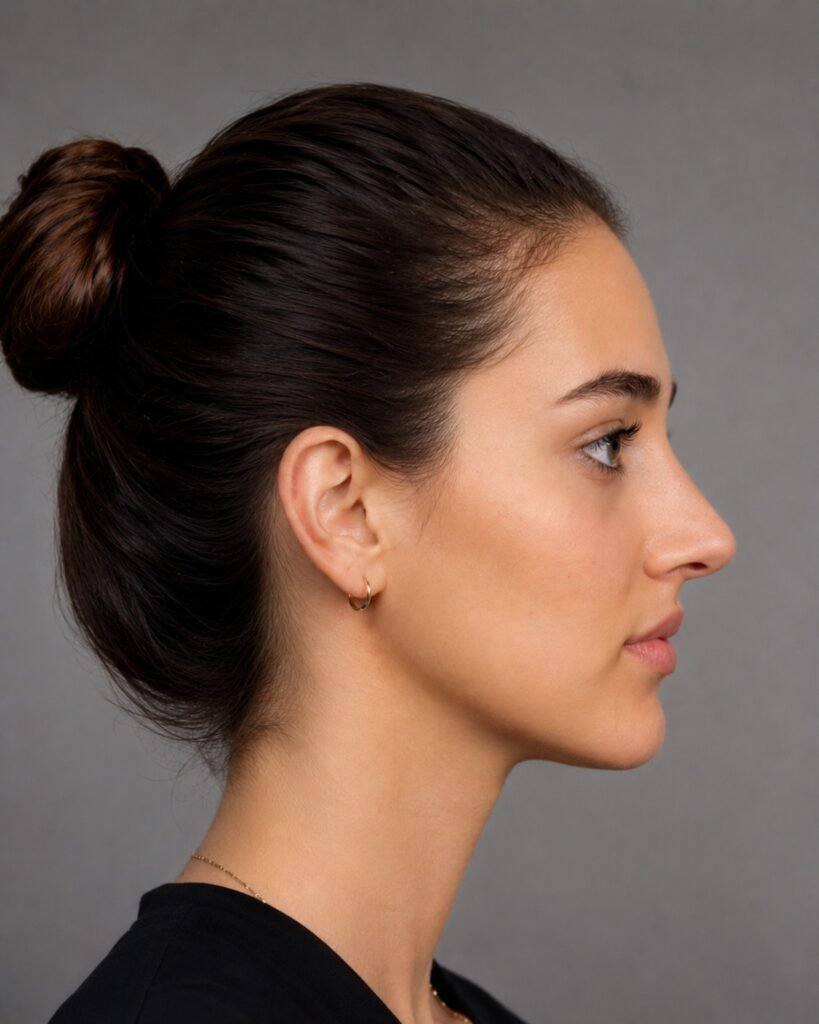
- The decision to change your appearance is deeply personal. Among all cosmetic procedures, rhinoplasty—commonly known as a nose job—stands out as one of the most transformative yet complex. It’s not just about aesthetics; it’s about harmony, function, and identity. Your nose is the central focal point of your face. A subtle alteration of just a few millimeters can shift the entire balance of your profile, turning long-held insecurities into a source of confidence.
But rhinoplasty is not a one-size-fits-all procedure. It is a delicate dance between art and science, requiring a surgeon to be both a structural engineer and a sculptor. Whether you are looking to correct a dorsal hump, refine the tip, fix a deviated septum, or rebuild the nose after trauma, understanding the journey is the first step.
This comprehensive guide breaks down everything you need to know about modern rhinoplasty, from the initial consultation to the final reveal one year later.
Part 1: Defining Your “Why”
Cosmetic vs. Functional Rhinoplasty
Before diving into surgical techniques, you must distinguish between two primary goals. These often overlap, but categorizing them helps clarify your objectives.
1. Cosmetic Rhinoplasty
This focuses solely on changing the appearance of the nose. Common requests include:
- Removing a bump on the bridge (dorsal hump reduction).
- Narrowing a wide nasal bridge.
- Lifting a drooping tip (ptotic tip correction).
- Reducing nostril size or flaring (alar base reduction).
- Straightening a crooked nose.
2. Functional Rhinoplasty
The goal here is to improve breathing. The most common culprit for airway obstruction is a deviated septum, but it can also involve collapsed internal or external valves. A Septoplasty specifically addresses the septum inside the nose, often billed under medical insurance rather than cosmetic.
3. The Reality: The Hybrid Approach
In reality, a good rhinoplasty is almost always a hybrid. You cannot drastically change the aesthetic shape of a nose without affecting how air moves through it. The term “functional rhinoplasty” is often used alongside cosmetic changes to ensure the nose not only looks good but works properly.
Part 2: The Surgical Roadmap (Open vs. Closed)
One of the most confusing topics for patients is the surgical approach. There are two main methods, and one is not universally “better” than the other.
Open Rhinoplasty
In this technique, the surgeon makes an incision across the columella (the thin strip of tissue between the nostrils) and connects it to incisions inside the nose. The skin is then gently lifted off the underlying cartilage and bone, providing a 360-degree, unobstructed view.
- Best for: Complex tip work, revision surgery, severe asymmetry, and significant deprojection.
- Pros: Unmatched precision and visualization for the surgeon.
- Cons: Longer surgery time, more swelling during recovery, and a tiny external scar (which usually fades to near-invisibility over time).
Closed (Endonasal) Rhinoplasty
All incisions are made inside the nostrils. The surgeon works through these “tunnels” without lifting the skin entirely off the framework.
- Best for: Minor dorsal hump removal, simple bridge narrowing, and patients who want zero external scars.
- Pros: Less swelling, faster surgery, no visible scar.
- Cons: Less visualization for the surgeon, which can make complex cartilage grafting more challenging.
Expert Insight: Don’t choose your technique; choose your surgeon. Let them decide which tool allows them to best achieve your agreed-upon goal.
Part 3: The Anatomy of Change (Techniques)
How does a surgeon actually reshape cartilage and bone? Here is a breakdown of the technical maneuvers that form the building blocks of a nose job.
| Procedure / Technique | What It Is | Target Concern |
|---|---|---|
| Dorsal Hump Reduction | The bone and cartilage of the hump are precisely filed (rasped) or chiseled away. | A visible bump or convexity on the bridge profile. |
| Osteotomies | Controlled breaks in the nasal bones to reposition them inward. | Wide nasal bridge, or bridge reconstruction after hump removal. |
| Tip Plasty | Reshaping the lower cartilages with sutures, resection, or grafting. | Bulbous, boxy, drooping, or upturned nasal tip. |
| Spreader Grafts | Thin strips of cartilage placed between the septum and upper lateral cartilages. | Internal valve collapse, breathing issues, and aesthetic dorsal lines. |
| Columellar Strut | A cartilage graft placed between the feet of the tip cartilages for support. | Tip drooping, lack of tip projection, or instability. |
| Alar Base Reduction | Small wedge excisions at the base of the nostrils. | Wide or flaring nostrils. |
| Septoplasty | Straightening a crooked septum by removing or reshaping deviated cartilage. | Nasal obstruction, crooked appearance of the nose. |
Part 4: The Timeline of Healing (Year-Long Journey)
Many patients are mentally prepared for the surgery but shocked by the emotional recovery. Rhinoplasty swelling is notoriously slow. Understanding the phases prevents panic.
Phase 1: The First Week (The “Dreaded” Stage)
You will have a cast on the outside of your nose and likely splints inside to stabilize the septum. Swelling and bruising around the eyes peak around day 2-3.
- Breathing: You will be a mouth-breather. It is claustrophobic, but temporary.
- Essentials: Ice packs on the eyes (not the nose), head elevation 24/7, arnica tablets for bruising, and a travel pillow to prevent rolling over.
Phase 2: The First Month (The Reveal)
When the cast comes off (usually day 5-7), the nose will look swollen, piggy-like, and strange. The tip will feel completely numb and wooden. This is not your final result.
- The “Avatar” Effect: The bridge swelling may obscure definition.
- Critical Rule: Do not blow your nose for at least 2-3 weeks. Sneezing must be done with the mouth open.
Phase 3: 3–6 Months (Defining Shadows)
By month three, about 70% of the swelling is gone. The tip drops slightly, and the bridge becomes more refined. However, scar tissue is forming under the skin, which can sometimes feel like a hard lump on the bridge. This is normal and often resolves with taping or steroid injections.
Phase 4: 12–18 Months (Final Product)
Thick skin takes the longest. The final subtle definition of the tip may take a full year to emerge. The nose softens, the numbness fades, and the “surgical stiffness” relaxes.
Part 5: The Emotional Rollercoaster
No physical recovery table is complete without addressing the psychological one. Based on patient experiences, the emotional timeline often looks like this:
- Immediate Regret (Day 1–4): “What have I done to my face?” The bruising, discomfort, and mouth-breathing create a sense of doom. This is purely physiological stress.
- Post-Cast Panic (Day 7–10): The nose looks fat and upturned. You Google “piggy nose after rhinoplasty” at 3 AM. Stop. This swelling is temporary.
- Hyper-Fixation (Month 1–3): You analyze your nose in every mirror, car window, and selfie. Asymmetrical swelling (one side healing faster than the other) is terrifying but routine.
- Acceptance (Month 6+): You start forgetting about your nose. It stops being a source of anxiety and simply becomes your face.
Part 6: Revision Rhinoplasty (The Hard Truth)
Revision rates for rhinoplasty are higher than many other cosmetic surgeries, estimated between 5% and 15%. The nose is a complex 3D structure, and healing forces like scar contracture can warp a perfect surgical result over time.
Why do revisions happen?
- Pollybeak Deformity: Excess tissue creates a convexity above the tip, resembling a parrot’s beak.
- Inverted-V Deformity: Collapse of the middle vault creating a shadow shaped like an upside-down “V.”
- Tip Asymmetry or Bossae: Pinching or bumps on the tip cartilages visible through thin skin.
- Breathing Worsening: Unintended collapse of the internal valve.
The Grafting Challenge
Primary rhinoplasties usually use septal cartilage. In revisions, the septum has often been depleted. The surgeon may need to harvest cartilage from the ear (conchal cartilage) or the rib (costal cartilage). Rib cartilage is robust but carries a small risk of warping, requiring an expert surgeon.
Part 7: Finding the Right Surgeon (A Checklist)
Rhinoplasty is the most difficult procedure in facial plastic surgery. Don’t choose a surgeon based on price or a social media discount code. Here is a diagnostic checklist:
- Board Certification: Are they certified by the relevant board for Plastic Surgery or Otolaryngology-Head and Neck Surgery?
- Nose Specialization: Does this surgeon do 10 rhinoplasties a month, or 10 a year? You want a specialist.
- Morphing Software: Are they willing to “morph” your photos during consultation to align on a realistic goal?
- Before & After Photos: Look strictly at patients with a nose similar to your before picture. Do you like the after style?
- Revision Policy: Ask directly: “If I need a revision, what is the policy on surgical fees?”
Part 8: Non-Surgical Alternatives (Liquid Rhinoplasty)
For those terrified of the scalpel, a “Liquid Nose Job” using hyaluronic acid fillers has gained popularity.
What it can fix:
- Camouflaging a small dorsal hump (filling above and below it creates a straight optical illusion).
- Lifting a mildly drooping tip.
- Correcting minor asymmetries.
What it cannot fix:
- Making a large nose smaller.
- Narrowing a wide bridge.
- Fixing breathing problems.
The Danger: The nose is a “danger zone” for fillers. There are major arteries here that, if injected into, can cause skin necrosis or, in catastrophic cases, blindness. Liquid rhinoplasty must only be done by someone with a profound knowledge of nasal vascular anatomy.
Your Journey, Your Terms
A successful rhinoplasty is not about looking like a different person. The goal is to look like yourself, but without the feature that has bothered you for years. When your reflection matches your internal perception of yourself, that is the victory.
Pre-Op Preparation List
- Stop all blood thinners (Aspirin, Ibuprofen, Vitamin E, Fish Oil) 2 weeks prior.
- Arrange a driver and a caregiver for the first 48 hours.
- Stock up on soft, easy-to-chew foods (yogurt, soup, mashed potatoes).
- Invest in a wedge pillow and dry mouth spray.
- Fill prescriptions for antibiotics and pain medication before surgery day.
Post-Op “Must-Have” List
- Saline Nasal Spray (to keep internal splints clear of blood).
- Q-tips and hydrogen peroxide (to gently clean nostril edges).
- Arnica Montana (homeopathic remedy to minimize bruising).
- A large water bottle with a straw (moving the upper lip too much hurts).
- Entertainment that doesn’t require looking at a screen (podcasts, audiobooks) to rest your eyes.
Rhinoplasty is a waiting game. Patience is not just a virtue; it’s the fundamental requirement. Trust the process, protect your nose during the healing phase, and wait for that moment, a year from now, when you catch a glimpse of your profile in a window and smile. That moment makes it all worth it.

Leave a Comment
Share your question or experience. Venoramed reviews comments before publishing.